
Most real-estate marketing advice assumes the problem is getting found. In Boca Raton, that is not the problem. Type “Boca Raton Realtor” into anything and you will find hundreds of competent licensed professionals, many of them genuinely good at the job.
The actual problem is being chosen. And in a high-price market, the agent who gets chosen is usually the one the seller already recognized before they needed anybody.
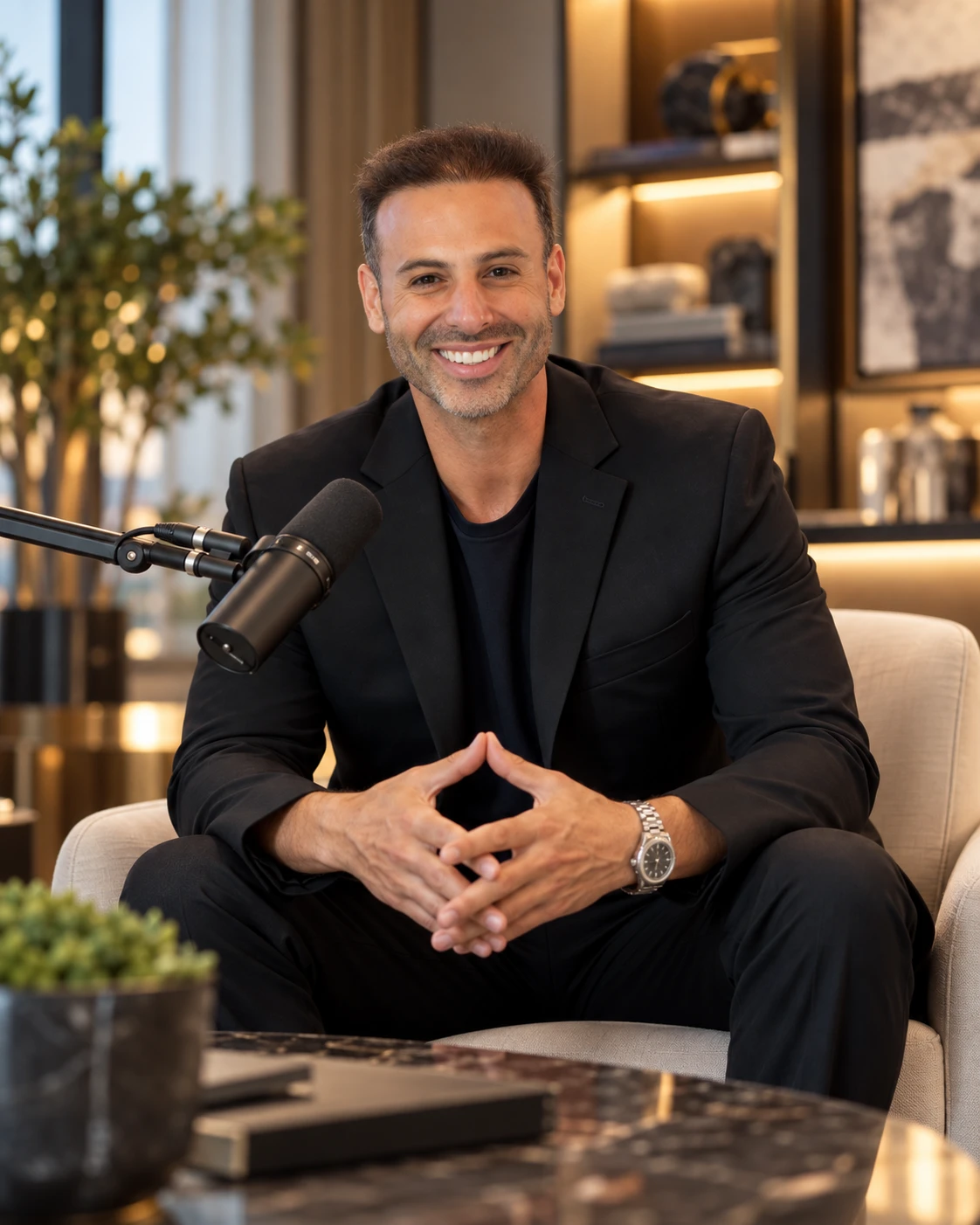
That gap — between being findable and being familiar — is what I set out to close. On Episode 154 of The Millionaire Real Estate Agent Podcast I called the result the local-celebrity effect. Here is what it actually means and how it got built.
The definition
The local-celebrity effect is the trust and recognition created when consumers repeatedly encounter the same credible real-estate professional across digital advertising, social media, video, direct mail, local signage, community information and real-life neighborhood involvement.
Two words in that sentence carry the weight. Repeatedly — one impression is noise, thirty is a reputation. And credible — repetition without substance just makes you a familiar annoyance.
It is not fame. Nobody is asking for autographs at Publix. It is the far more useful condition of being the name that comes to mind, in one specific place, at the moment someone starts thinking about selling.
Why it works harder at the top of the market
A $2 million listing decision is slow. The seller is not comparing commission rates on a spreadsheet; they are deciding who to trust with the largest asset they own, often while also deciding where to move, what to do about the kids’ school, whether to buy first or sell first.
In that state, people reduce risk by defaulting to the established option. “I’ve seen this person everywhere, in my neighborhood, for two years” is a risk calculation. It is not a shallow one either — consistent presence over years is genuinely hard to fake, which is exactly why it signals something real.
That is why I treat marketing spend as a trust-building expense rather than a lead-capture expense. Leads are the by-product. Recognition is the asset.
How it was actually assembled
The mistake I see most often is treating channels as separate campaigns with separate goals. A Facebook campaign for leads. Postcards for farming. A bench ad because it was available. Each one gets measured alone, each one looks mediocre alone, and the budget gets cut.
What works is making every channel carry the same identity so they compound:
Social advertising on Facebook and Instagram, geographically tight and running continuously rather than in bursts. The goal is frequency within a defined area, not reach across a county.
Direct mail to the same households the ads are reaching. A postcard that arrives for someone who has already seen my face online is a confirmation. One that arrives cold is junk mail.
Neighborhood signage and bench placement in the specific communities I work. This is the piece most agents skip because it cannot be attributed. It is also the piece that moves a brand from “online” to “real.” A homeowner who sees you in the feed and on the drive to the gym has filed you differently than one who only saw the feed.
Retargeting, because almost nobody decides to sell on the day they first look. The window between idle curiosity and listing appointment is usually months. Retargeting is how you stay present for that whole window instead of paying to be forgotten.
Video, which does something the other channels cannot: it lets people decide whether they like you before they ever call. A huge amount of the qualification happens before first contact.
Community information — the Community Insider model — which is the only one of these that is useful to the homeowner whether or not they ever hire me. That is what keeps it from being pure advertising.
What it costs, honestly
This approach is expensive before it is profitable, and it is slow before it is fast. For a stretch you are paying for recognition you cannot yet measure, and every attribution dashboard will tell you the untrackable channels are wasted money.
They are not. But you have to be willing to hold that position for longer than a quarter, which is the real reason most agents do not do this. It is not a secret. It is just uncomfortable.
What it means if you are hiring an agent
When a seller hires me, they are not just getting my time. They are getting access to an advertising and distribution operation that already exists and is already running in their neighborhood — plus a local buyer database built before their house came to market.
That is the practical translation of the local-celebrity effect, and it is worth asking any agent you interview: what already exists, versus what will you build for me starting from zero?
—
Ryan Jabbour is the founder and Team Lead of The Jabbour Group at Keller Williams Realty Boca Raton, specializing in luxury homes, gated communities and new construction across Boca Raton, Palm Beach County and South Florida. Florida license 3490105.
Thinking about selling? Request a confidential valuation or schedule a strategy call.
Also read: Ryan Jabbour on The Millionaire Real Estate Agent Podcast · Media and speaking · Boca Raton communities